

Fire Compartmentation Survey & Inspection Services
Protect your building structure and occupants with a professional fire compartmentation survey. Our independent consultants deliver thorough passive fire protection inspection and fire stopping inspection services across London and the South East.
Regulatory Compliant

Independent advice

Clear Reports

IFSM & NFRAR Registered

Protecting Building Integrity and Preventing Fire Spread
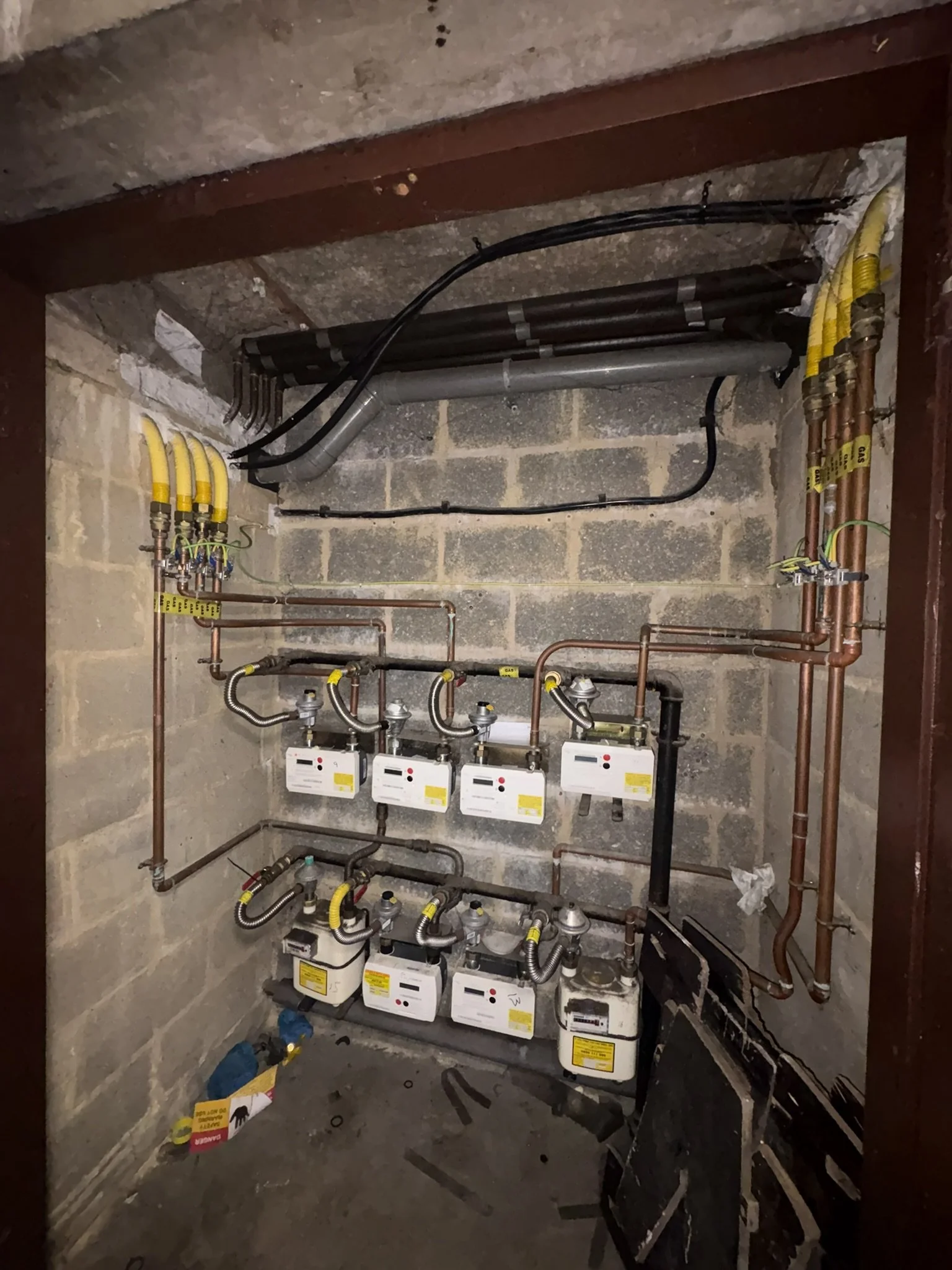
Fire compartmentation is a fundamental aspect of building safety, designed to divide a property into manageable fire-resisting sections. By enclosing rooms, stairwells, and service risers with fire-rated walls, floors, and ceilings, compartmentation contains smoke and flames to the area of origin. SLB Compliance assists property managers, commercial landlords, housing associations, and business owners with detailed inspections to ensure life-safety structures perform when needed most.
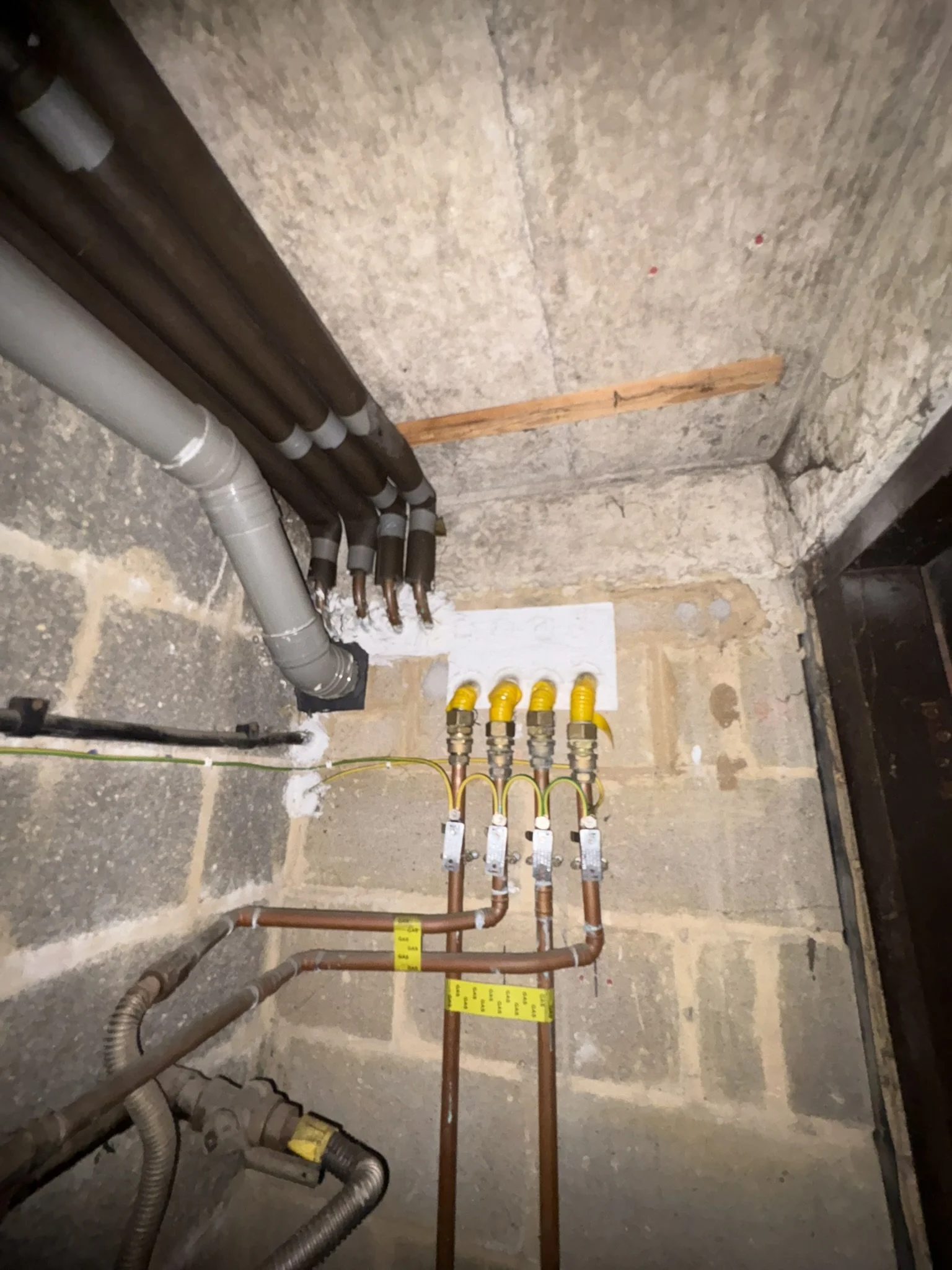
Over time, building refurbishments, electrical installations, or plumbing works can leave unsealed utility penetrations through fire barriers. Carrying out a routine fire stopping inspection and broader passive fire protection inspection provides a comprehensive evaluation of these hidden spaces. Because SLB Compliance operates purely as an advisory consultancy and does not sell or install fire stopping materials, our clients receive completely unbiased recommendations focused solely on safety and legal compliance.
Why Fire Compartmentation Surveys Matter
Unseen gaps above suspended ceilings, within plant rooms, or inside service risers can allow toxic smoke and fire to spread rapidly throughout a premises, compromising escape routes. Under the Regulatory Reform (Fire Safety) Order 2005 and the Building Safety Act, Responsible Persons must ensure that relevant fire precautions are appropriately maintained where necessary to safeguard occupants. Effective compartmentation is therefore an important consideration in maintaining the fire safety of a building.
Our non-intrusive survey methods evaluate walls, floors, fire dampers, and pipe penetration seals across all property types. Whether managing commercial offices, industrial units, care facilities, or multi-storey residential blocks, our fire compartmentation survey and fire stopping inspection services ensure your building aligns with current British Standards without pushing unnecessary, over-specified repairs.
How does the Fire Compartmentation Survey process work?
01 — Discuss Your Building

Provide details on property layout and size to receive a clear fire compartmentation survey cost estimate.
02 — Complete the Survey
An experienced consultant conducts a detailed passive fire protection inspection of fire barriers and utility penetrations.
03 — Receive Practical Recommendations
Get a clear digital report featuring photographic evidence and prioritised remedial guidance.
04 — Ongoing Support & Review
Access expert aftercare advice to help manage contractor repairs and ongoing building compliance.

Keeping Fire Safety Simple with SLB Compliance
Managing structural fire compliance does not have to be complicated or expensive. As your independent compliance partner, we combine decades of operational fire safety expertise with straightforward, practical guidance to protect life and property.
Independent & Unbiased: 100% objective surveys with no commercial incentive to sell remedial works.
Full Regulatory Alignment: Comprehensive compliance with the Regulatory Reform Order 2005 and Building Safety Act.
Clear Photographic Reports: Itemised digital findings following your passive fire protection inspection, with high-resolution photos and prioritised actions.
Commercial & Housing Expertise: Dedicated survey solutions for offices, industrial units, care facilities, and housing blocks.
Ready to assess the structural fire safety of your building? Contact the team at SLB Compliance today to speak with an experienced consultant or request a competitive fire compartmentation survey cost quotation for your property.
Common Fire Compartmentation Questions
-
A fire compartmentation survey is a detailed inspection of a building's passive fire protection barriers. Our consultants assess walls, floors, ceilings, fire doors, and service penetration seals to ensure they can contain fire and smoke for a specified time period. The survey acts as a comprehensive fire stopping inspection, identifying structural breaches, improperly fitted intumescent seals, or unsealed cable openings that could allow fire to spread.
-
A fire compartmentation survey cost depends on several key variables, including total floor area, building layout, structural complexity, and whether roof voids or ceiling cavities require detailed inspection. A non-intrusive compartmentation survey and site visit starts from £300 for smaller, straightforward commercial properties, whereas large industrial sites, healthcare premises, or multi-unit residential blocks require scaled pricing. Contact our team for a fixed, transparent quotation tailored to your premises.
-
A fire stopping inspection focuses specifically on the seals, collar systems, and materials used to close gaps where services (such as pipes, cables, and ductwork) pass through fire-rated walls and floors. A passive fire protection inspection is a broader evaluation that encompasses fire stopping alongside structural fireproofing, compartment walls, fire-rated doors, and cavity barriers.
-
The appropriate frequency for a fire compartmentation survey will depend on the building, its use, condition and management arrangements. A compartmentation survey may also be appropriate following refurbishment, alterations or service installations that could have affected existing fire resisting construction, or where concerns are identified through the Fire Risk Assessment or other inspection.
-
In short, independent consultancies offer impartial advice. Because SLB Compliance does not sell fire stopping products or perform installation work, we have no commercial interest in over-specifying defects. Our reports provide an accurate, honest picture of your building's true compliance status, protecting you from inflated contractor repair bills.