
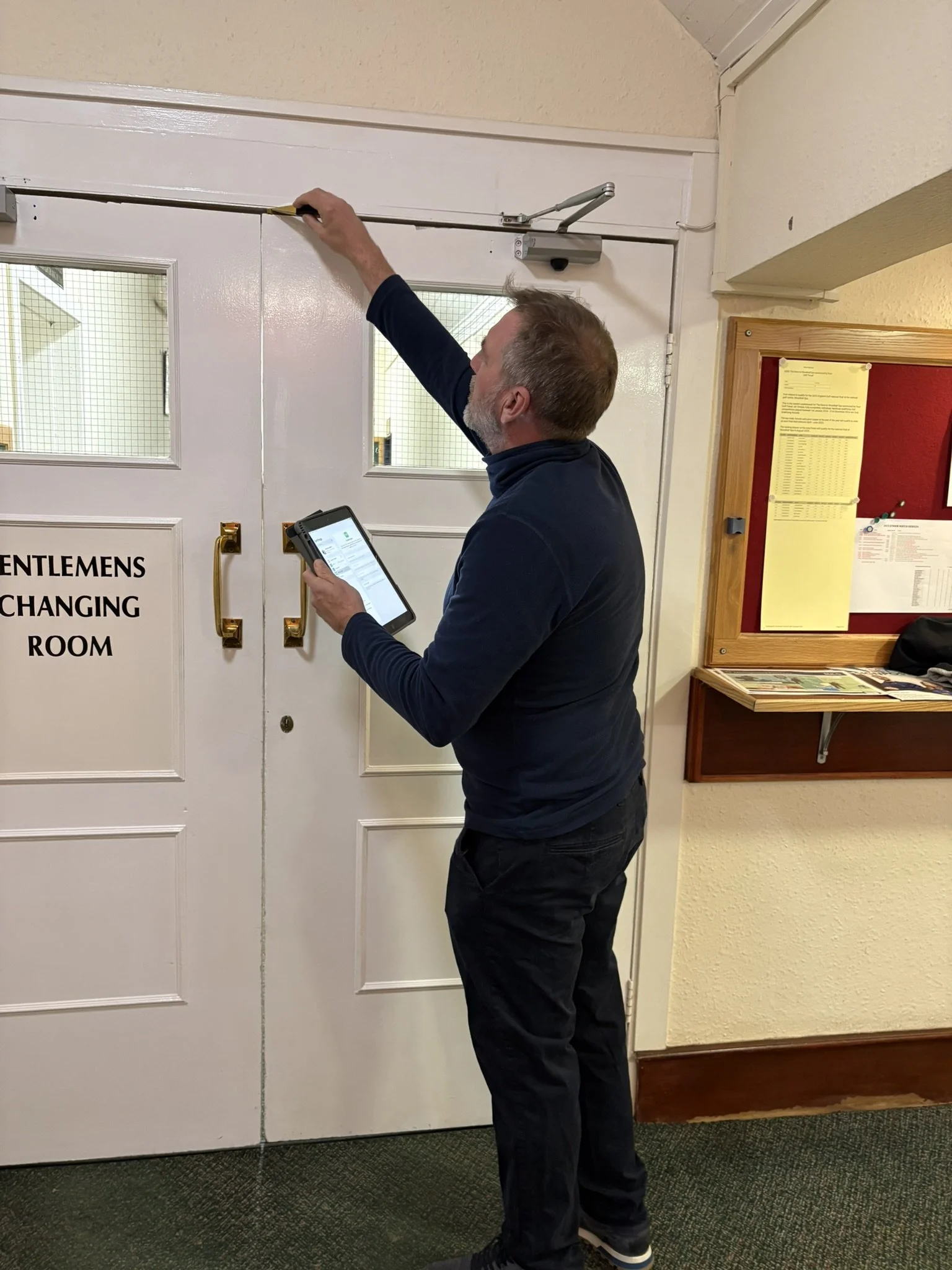
Professional Fire Door Compliance Survey Services
Ensure your building’s fire doors are fully operational and compliant with an independent fire door survey. Delivered by experienced fire door survey specialists across London and the South East.
Regulatory Compliant

Independent advice

Clear Reports

IFSM & NFRAR Registered

Protecting Your Escape Routes and Building Occupants
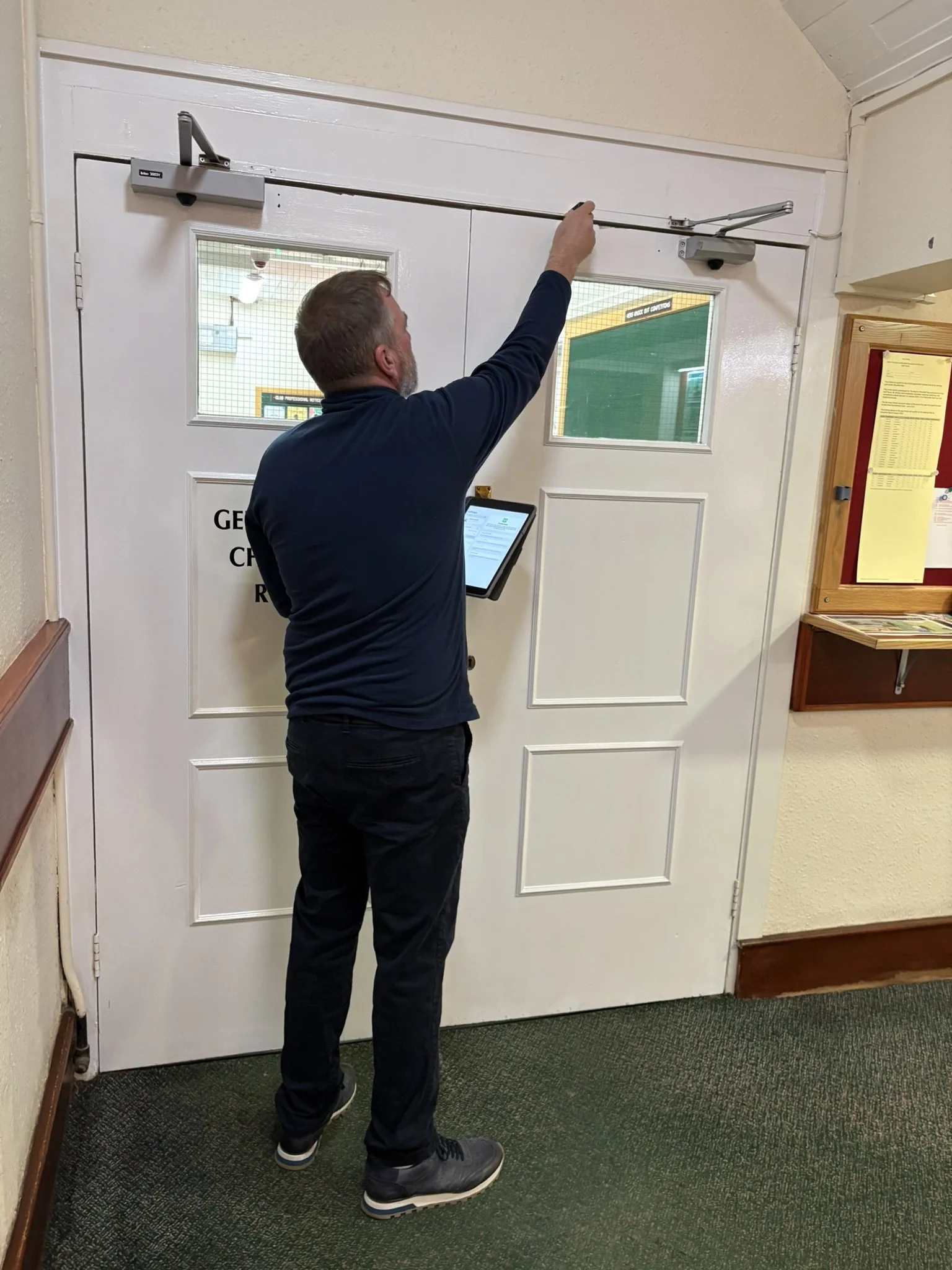
As a leading fire door survey company, SLB Compliance helps property managers, landlords, housing associations, and business owners maintain life-safety integrity. Fire doors are a critical line of defence in slowing the spread of fire and smoke. Whether protecting stairwells, corridors, service risers, or flat entrance doors, conducting a regular fire door compliance survey is essential for statutory safety.
Choosing dedicated fire door survey specialists ensures your inspections are carried out thoroughly and without bias. Because SLB Compliance operates purely as an independent consultancy and does not sell or install fire doors or perform remedial works, our clients receive honest, practical recommendations focused entirely on true compliance and occupant safety.
Why Professional Fire Door Surveys Matter
Even minor defects, such as excessive door frame gaps, worn intumescent seals, faulty self-closing devices, or compromised hinges, can prevent a fire door from performing in an emergency. As trusted fire door survey companies, we provide comprehensive inspections across all property types to catch wear and tear early.
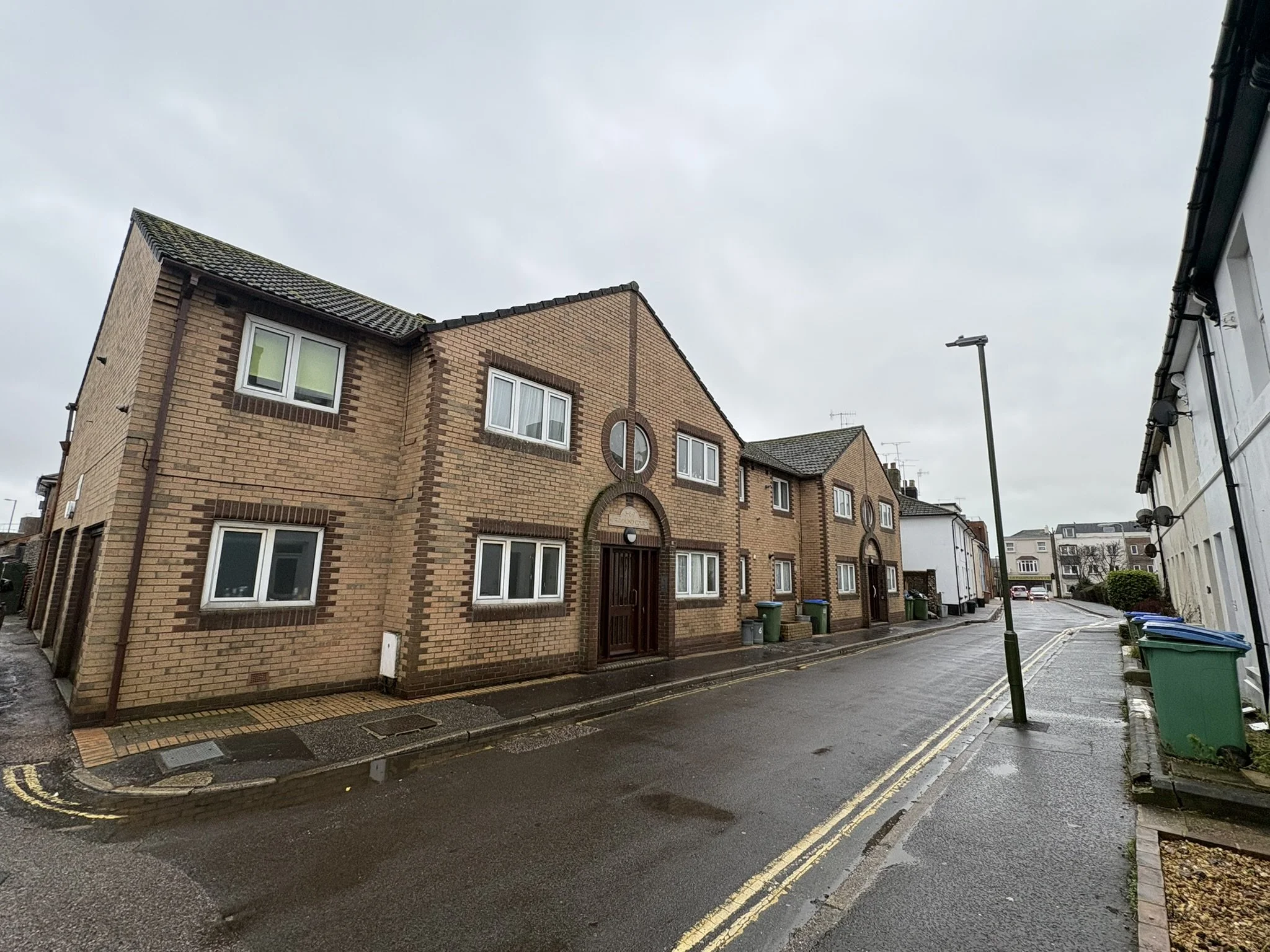
Under the Fire Safety (England) Regulations 2022, Responsible Persons for relevant residential buildings over 11 metres in height must undertake checks of fire doors in communal areas at least every three months and, on a best endeavours basis, checks of flat entrance doors at least every 12 months. Our tailored fire door survey services ensure complete alignment with these statutory requirements while avoiding over-specified, unnecessary replacement costs.
How does the Fire Door Survey process work?
01 — Discuss Your Building

Share your building layout and door counts to receive an accurate fire door survey cost quotation.
02 — Complete the Survey
Experienced fire door survey specialists conduct a meticulous, door-by-door inspection.
03 — Receive Practical Recommendations
Get a clear, itemised digital report detailing the exact condition and compliance status of every door.
04 — Ongoing Support & Review
Access expert post-survey advice to help prioritise maintenance and ongoing routine checks.

Keeping Fire Safety Simple with SLB Compliance
Ensuring the safety of your fire doors doesn't have to be confusing or financially stressful. As your trusted fire door survey company, we combine deep technical expertise with straightforward, practical advice to help you maintain compliant, safe buildings.
Independent & Unbiased: Objective surveys with zero sales pressure to buy replacement doors.
Regulatory Compliant: Full alignment with the Regulatory Reform Order 2005 and Fire Safety Regulations 2022.
Clear Itemised Digital Reports: Detailed door-by-door findings delivered through easy-to-manage software.
Commercial & Housing Experience: Dedicated survey solutions for offices, retail, HMOs, and blocks of flats.
Ready to verify the safety and compliance of your building's fire doors? Contact the team at SLB Compliance today to speak with an expert or request a transparent, competitive fire door survey cost quotation.
Common Fire Door Survey Questions
-
A fire door survey includes a meticulous, non-intrusive physical inspection of each individual fire door assembly within a building. Our specialists inspect the condition of the door leaf and frame, fire resistance certification/markings, intumescent and cold smoke seals, hinges, self-closing devices, glazing, ironmongery, latches, and the door leaf and frame gaps, assessed against the relevant evidence and applicable guidance. You receive an itemised report documenting pass/fail statuses and required maintenance actions for every door.
-
The overall fire door survey cost is based primarily on the total number of fire doors being inspected, the layout complexity, and the building type (e.g., commercial office vs. multi-storey residential block), with survey costs starting at £15 per door. Smaller commercial premises with a handful of doors have a lower baseline cost, whereas multi-unit housing portfolios or high-rise blocks require scaled pricing. Contact us for a fixed, competitive quotation tailored to your door count.
-
Fire doors should be inspected regularly depending on building usage and legal requirements. Under the Fire Safety (England) Regulations 2022, multi-occupied residential buildings over 11m require communal fire doors to be checked every three months and flat entrance doors annually. In commercial premises, the appropriate frequency of inspection should reflect the building use, condition of the doors, level of use and findings of the Fire Risk Assessment, with additional checks following damage, significant wear or alterations.
-
Independent fire door survey companies carry zero conflict of interest. Because SLB Compliance does not sell replacement fire doors or carry out carpentry/remedial repairs, our recommendations are 100% independent and impartial. We focus on fixing or adjusting doors where possible rather than recommending costly, unnecessary door replacements.
-
Yes, we carry out comprehensive surveys covering all fire door types. This includes flat front entrance doors, communal stairwell doors, corridor compartment doors, boiler room doors, and service riser cupboard doors in both residential blocks and commercial facilities.