
Blog
Welcome to the SLB Compliance fire safety blog, your trusted resource for plain-English regulatory updates, expert advice, and practical compliance guidance. Written by MIFSM and NFRAR registered consultants, our articles help property managers, landlords, and business owners navigate UK fire safety duties with total confidence.

Fire Risk Assessments for Businesses: Why They Matter
Fire safety is something every business needs to take seriously. A fire can put people at risk, damage property, and even stop your business from running. One of the best ways to stay safe is by carrying out a Fire Risk Assessment (FRA). Not only does it keep everyone safe, it’s also the law in the UK.

Fire Safety During Seasonal Events
Supported living environments present unique fire safety challenges. Residents may have limited mobility, cognitive impairments, or personal care equipment that affects evacuation.

Fire Safety and Supported Living Accommodation
Seasonal activities, decorations, and equipment can introduce additional fire risks if not managed carefully. From Christmas trees and lights to barbecues in communal areas, extra hazards are common.
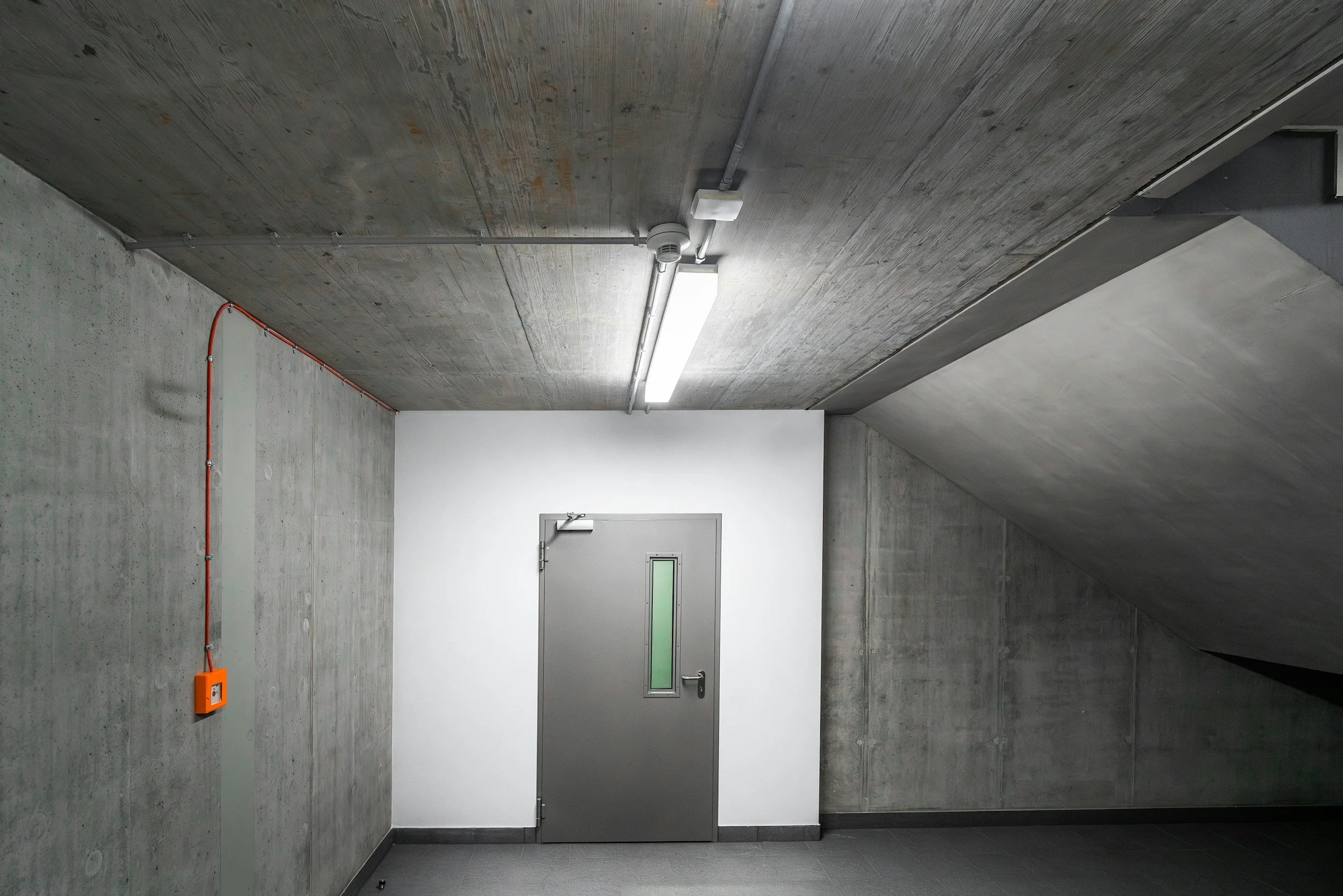
When Is a Fire Door Not a Fire Door?
A fire door is far more than just a door — it’s a critical life-saving barrier. In residential blocks of flats over 11 metres, fire doors help protect escape routes and prevent fire and smoke from spreading between flats and communal areas. However, not every door labelled as a “fire door” will actually perform when it matters.

Understanding Fire Compartmentation: Why It Matters
Fire compartmentation is one of the most important measures in protecting residents and containing fire in residential blocks. It involves dividing a building into fire-resistant sections to slow or prevent the spread of fire and smoke. This gives residents time to escape and limits property damage.

Fire Risk Assessments for Residential Blocks: Best Practice
A thorough fire risk assessment (FRA) identifies hazards, evaluates risks, and recommends actions to protect residents. In blocks over 11 metres, FRAs are a legal requirement under the Regulatory Reform (Fire Safety) Order 2005 and the Fire Safety (England) Regulations 2022.
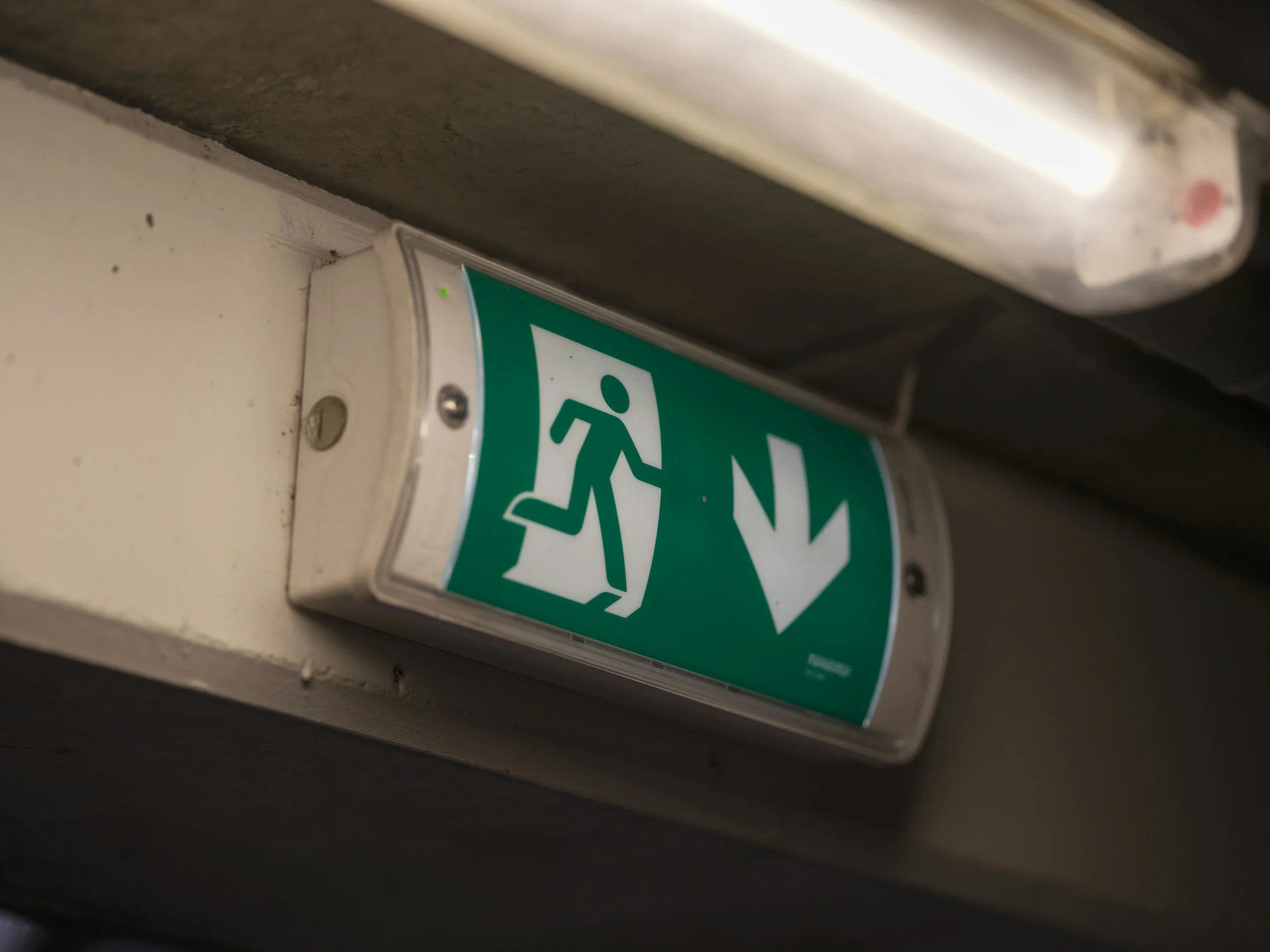
The Importance of Emergency Lighting in Residential Blocks
Emergency lighting plays a crucial role in keeping residents safe during power failure or smoke conditions. In blocks over 11 metres, it is particularly important in stairwells, corridors, and escape routes.